












For over a decade, Amazon’s Kindle line represented a golden rule of consumer electronics: incremental hardware upgrades paired with stable pricing. Year after year, reading enthusiasts could expect better screens, faster processors, and enhanced battery life without seeing their wallets take a significant hit. However, the economic reality of the mid-2020s has completely rewritten this script.
Supply chain pressures, persistent inflation, and rising manufacturing costs have pushed tech prices relentlessly upward. Today, we live in an era where a fully tricked-out Raspberry Pi can command nearly $400, and budget e-readers are no exception. The newly released 2026 Kindle lineup highlights this shift dramatically, proving that the traditional “more features for the same price” formula is officially a thing of the past.
The Shrinking Value Proposition of Modern E-Readers
When Amazon refreshed its e-reader family in 2024, consumers balked at modest price bumps. Yet, looking back from 2026, those previous-generation devices now look like absolute steals. To put the current market into perspective, a $160 Kindle Paperwhite from just two years ago vastly outperforms today’s base-tier $150 entry-level Kindle across nearly every measurable metric.
Buyers today are forced to weigh whether it makes more sense to purchase a brand-new current-generation base model or hunt down a used or refurbished 2024 Paperwhite. The older secondhand device often offers a superior screen size, better front-light uniformity, and crucial waterproofing that baseline models simply skimp on.
Decoding the 2026 Kindle Hierarchy
Amazon’s monochrome Kindle family has now expanded to a staggering five distinct models, catering to every conceivable niche and budget. At the pinnacle of this lineup sits the 2026 Kindle Paperwhite Signature Edition, retailing at a hefty $250.
- The Base Dilemma: Entry-level devices now push past historical price boundaries, offering fewer premium features relative to older mid-tier hardware.
- The Standard Paperwhite ($200): Bridges the gap with modern internal upgrades, though the price climb is difficult to ignore for casual readers.
- The Signature Edition ($250): The undisputed flagship of the monochrome range.
A Premium Build for a Premium Price
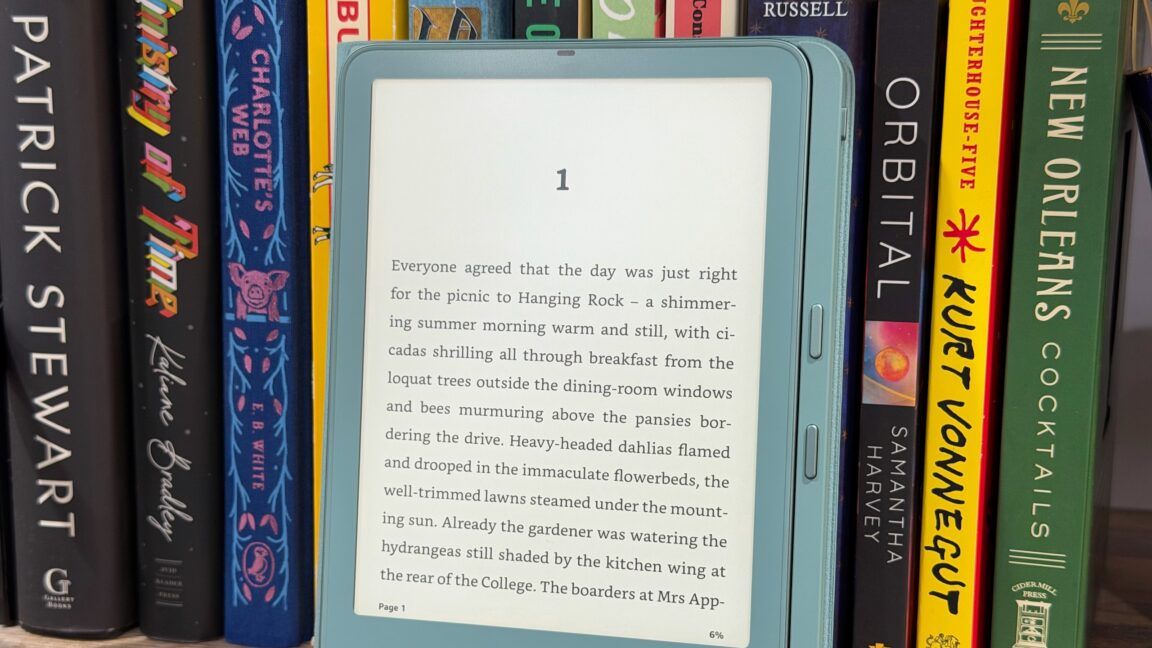
For those willing to shell out $250 for the 2026 Kindle Paperwhite Signature Edition, Amazon is delivering a noticeably elevated physical experience. Moving away from the traditional soft-touch plastics that have defined e-readers for years, the Signature Edition adopts a sturdy, iPad-esque aluminum chassis. It feels cold, rigid, and undeniably premium in the hand.
More importantly, the 2026 generation marks the triumphant return of physical page-turn buttons on select premium configurations—a feature devout readers have demanded ever since Amazon phased them out of the mainstream Paperwhite years ago. Handling physical inputs once again brings a tactile joy to reading that purely digital swipes cannot replicate.
Industry Impact and Market Outlook
The trajectory of the 2026 Kindle lineup sends a clear signal to the broader consumer tech industry: the era of cheap, disposable gadgets is fading fast. As hardware costs rise, manufacturers are forced to either compromise on quality or pass hefty price tags directly to the consumer. For Amazon, positioning the Paperwhite Signature Edition as a luxury, aluminum-clad device transforms the humble e-reader from a simple book replacement into a premium lifestyle accessory.
Concluding Thoughts
The 2026 Kindle Paperwhite is a paradox of brilliant hardware engineering and punishing economics. The return of page-turn buttons and the introduction of a gorgeous aluminum chassis make the Signature Edition a delight to use. Yet, with a $250 price tag, it forces buyers to seriously evaluate what they are willing to pay for the simple act of reading a digital book. If you are on the fence, checking the refurbished market for slightly older hardware might just save your reading budget.