










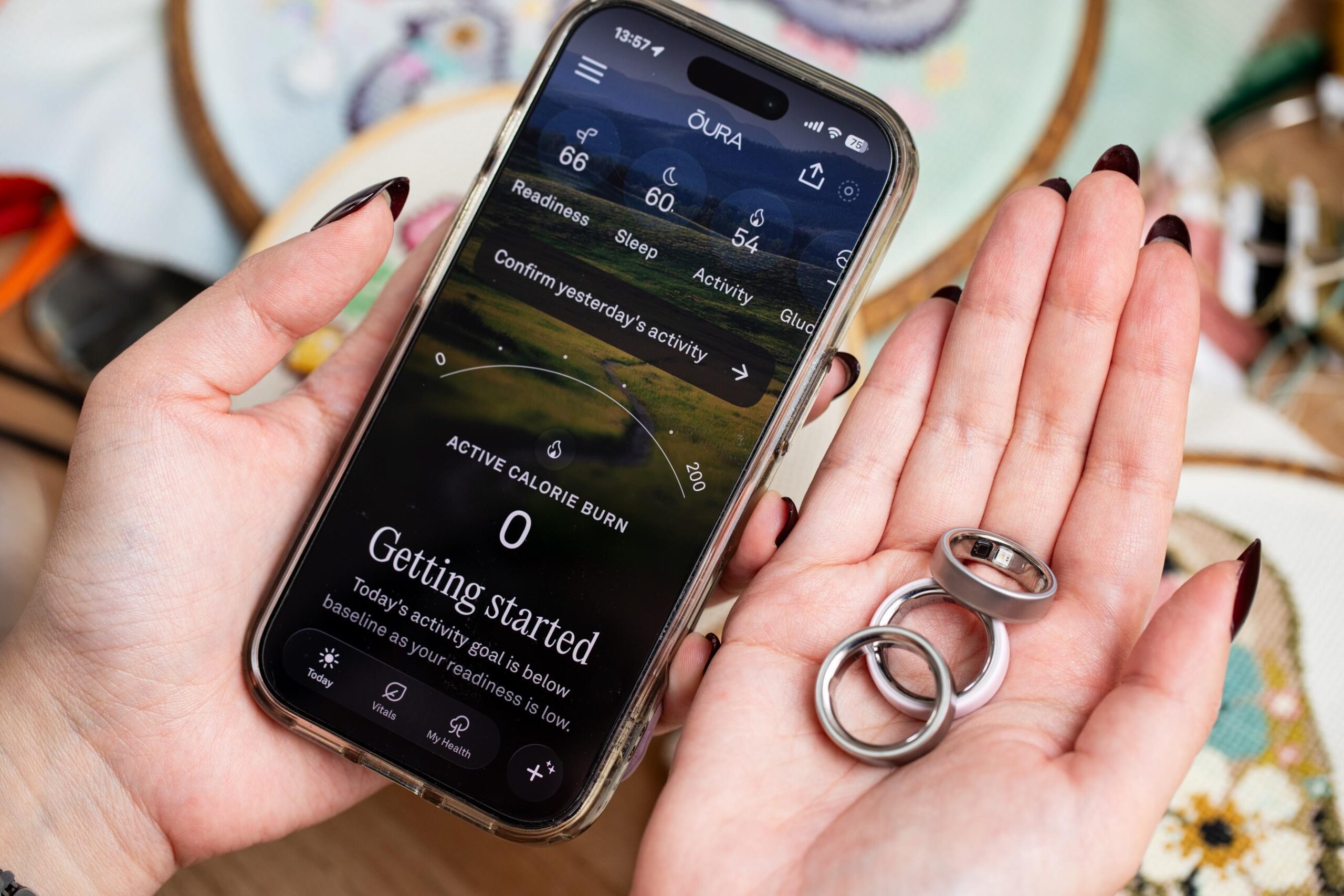
For millions of fitness and wellness enthusiasts, smart rings have become an indispensable part of daily life, silently tracking sleep patterns, heart rate variability, and overall readiness. However, if you are wearing an Oura Ring and pairing it with an older Android smartphone, a ticking clock has just been set. A recent policy update reveals that Oura is phasing out support for legacy operating systems, putting years of accumulated biometric data at potential risk.
The Countdown Begins: December 2026 Deadline
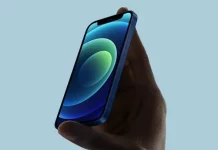
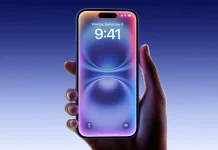
According to official documentation updates from Oura, the company will officially drop support for Android 11 on December 8, 2026. While a two-year notice might seem generous at first glance, the technical implications for users clinging to older hardware are severe.
If users fail to upgrade their smartphone operating systems to Android 12 or higher before the cutoff date, the consequences could extend far beyond merely missing out on app updates. Oura has made it clear that failing to migrate to a supported OS version could result in restricted access to features and, more alarmingly, potential data loss.
What Happens to Your Historical Health Data?
Health data is deeply personal, often documenting years of sleep hygiene, stress metrics, and physical recovery. Losing access to this historical timeline is a nightmare scenario for data-driven users. Oura’s updated support page highlights a critical caveat regarding delayed upgrades:
- Limited Legacy Access: Users who choose not to upgrade their operating system may retain access to a stripped-down version of historical Oura App features, but functionality will be severely compromised.
- The Migration Trap: Perhaps the most crucial warning is that if a user delays upgrading and eventually updates their smartphone system after the deadline, historical Oura data may not successfully carry over to the new environment.
Why Tech Companies Drop Legacy Support
While cutting off support for older software is always a friction point for consumers, it is an inevitable reality in the fast-paced tech industry. Maintaining compatibility with older operating systems like Android 11—which was released back in 2020—requires significant engineering resources. As security standards evolve, newer APIs (Application Programming Interfaces) are introduced to handle sensitive biometric data safely and efficiently.
By sunsetting support for Android 11, Oura can focus its development pipeline on leveraging modern security frameworks, optimizing battery consumption, and rolling out advanced artificial intelligence features that rely on the robust processing power found in Android 12 and later iterations.
Industry Impact and User Action Plan
This development serves as a broader wake-up call for the entire wearables ecosystem. As smart rings, smartwatches, and health patches become more sophisticated, the gap between cutting-edge health tech and legacy hardware continues to widen. Consumers are increasingly forced to upgrade not just when their hardware breaks, but when software lifecycles dictate it.
For Oura users currently operating on Android 11, the path forward is straightforward:
- Check Your OS Version: Go to your phone’s settings and verify which Android version you are currently running.
- Verify Upgrade Availability: Check if your current handset model is eligible for an official update to Android 12 or higher.
- Plan Your Hardware Refresh: If your phone is too old to support Android 12, you will need to budget for a smartphone upgrade long before December 2026 to ensure a seamless cloud sync and safeguard your priceless health metrics.
Conclusion
Technology is meant to improve our lives, but it often demands periodic adaptation in return. While losing access to Android 11 might feel like forced obsolescence to some, the preservation of your long-term health analytics makes proactive planning essential. Do not wait until the eleventh hour—verify your device status today and ensure your wellness journey remains uninterrupted.