












For years, tech enthusiasts have mourned the decline of Really Simple Syndication (RSS), a foundational web standard that once allowed users to curate their own digital reading lists effortlessly. While algorithms and social media feeds largely replaced traditional RSS readers, Google is now stepping in to bridge the gap. In a move that signals a nostalgic yet highly practical shift, Google Chrome is testing a brand-new Follow feature built directly on top of the open RSS standard.
Designed to streamline how internet users consume content from their favorite publishers, the upcoming feature eliminates the need for endless email newsletter sign-ups or intrusive browser notifications. Instead, Chrome is empowering users to take back control of their digital diets with a simple, frictionless one-click subscription mechanism.
How Chrome’s New Follow Feature Works
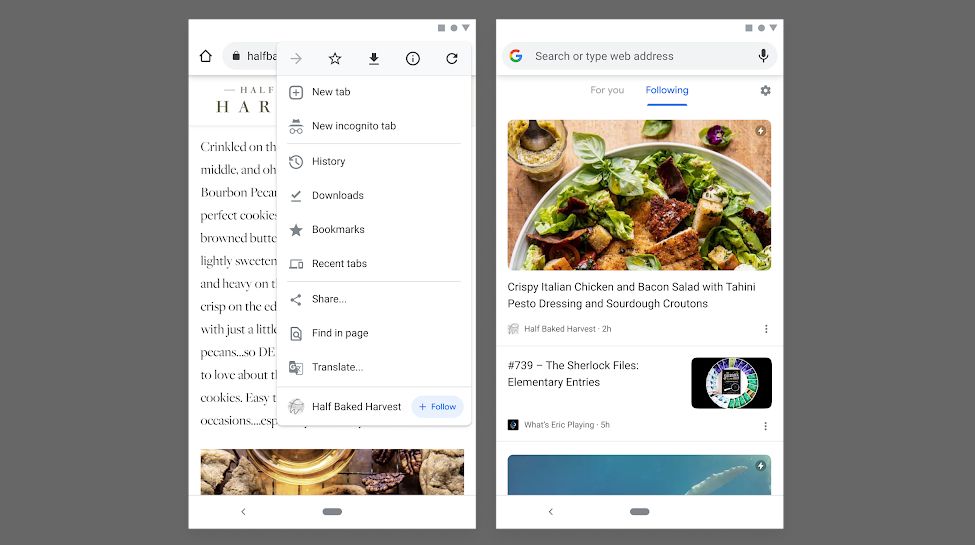
The mechanics behind Google’s experimental feature are refreshingly straightforward. According to updates shared on the Chromium Blog, the functionality is initially rolling out to Android users in the United States running Chrome Canary.
When browsing a participating website, users can access the Chrome menu, locate the new Follow button, and tap it to stay instantly connected. Once a site is followed, its latest updates will automatically populate in a dedicated “Following” section located right on the Chrome New Tab page.
Google’s Senior Staff Developer Advocate, Paul Bakaus, highlighted the reasoning behind the experiment in a recent statement:
“We’ve heard it loud and clear: Discovery and distribution is lacking on the open web, and RSS hasn’t been ‘mainstream consumer’ friendly. Today, we’re announcing an experimental new way, powered by RSS, to follow creators with one click. This is only the beginning of a bigger exploration, and to get this right, we need your feedback.”
A Conscious Shift Away From Purely Algorithmic Feeds
One of the most compelling aspects of Chrome’s new initiative is how it contrasts with the browser’s existing “Discover” feed (now often referred to as “For you”). While Discover relies heavily on automated algorithms to guess what a user might want to see based on general browsing habits, the Follow feature puts user intent front and center.
Users actively curate the list of creators and publications they care about—spanning everything from massive global news outlets to niche neighborhood blogs. However, Google plans to intelligently integrate the two systems: the algorithmic Discover feed will eventually leverage a user’s explicit Chrome “follows” to help fine-tune and surface even more relevant content over time.
Key Technical Highlights for Web Publishers
Open Web Standard: Powered natively by RSS, ensuring independence from proprietary ecosystems.
Frictionless UX: A single tap replaces complex feed reader setups or manual URL copying.
Centralized Dashboard: Updates from followed sites appear directly on the Chrome New Tab page.
Publisher Action Required: Site owners must ensure their RSS or Atom feeds are up-to-date to seamlessly feed the new Chrome architecture.
Industry Impact and Looking Ahead
The revival of RSS within the world’s most dominant web browser marks a significant philosophical pivot for the tech industry. For over a decade, social platforms and search engines pushed walled gardens and algorithmic curation, often starving independent creators and smaller publishers of direct, predictable traffic.
By bringing RSS back into the mainstream consumer consciousness under a modernized user interface, Google is acknowledging that users crave intentional content consumption. If the experiment successfully graduates past the Chrome Canary phase and rolls out globally, it could breathe new life into independent blogging, journalism, and creator-led websites.
As Google gathers feedback from early adopters in the coming weeks, web publishers are strongly advised to audit their site feeds to prepare for the wave of traffic. Whether you are a casual reader tired of algorithmic noise or a creator looking for better audience distribution, Google’s modern take on RSS might just be the best web feature of the year.